
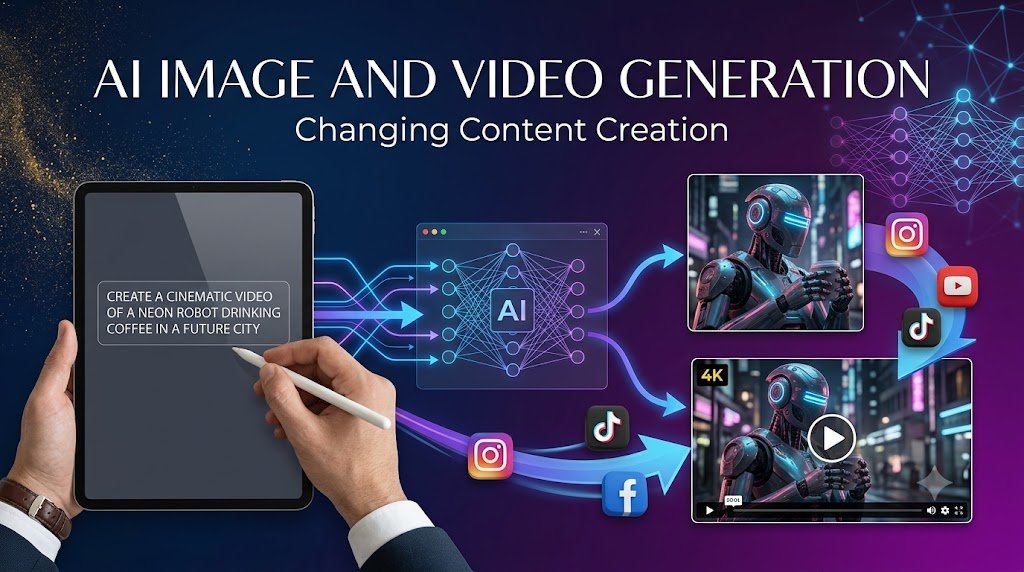
Social media has always been a visual game. A good photo can stop someone from scrolling, while a short video can hold their attention long enough to turn a casual viewer into a follower or customer.
But creating that content has never been easy.
A single social media campaign can involve photographers, designers, video editors, copywriters, and hours of revisions. This is where AI image and video generation is starting to change the process.
Today, creators and businesses can turn a simple idea into an image, animation, or short video with just a well-written prompt. The technology is moving quickly, but the interesting part isn’t simply that AI can create visuals. It’s how people are learning to use those visuals as part of their everyday social media content creation.
What Is AI Image and Video Generation?
AI image generation allows users to create visual content from written instructions. You might describe a product on a modern desk, a cinematic travel scene, or a particular style of advertisement, and an AI image generator can create a visual based on the prompt.
AI video generation takes the idea a step further. Depending on the tool, you can generate a video from text, animate an existing image, transform footage, create visual effects, or build short clips around a particular concept.
Tools such as https://openai.com/?utm_source=chatgpt.comI ,firefly.adobe.com and other generative AI platforms are making these capabilities increasingly accessible to creators.
The result is a much lower barrier to producing visual content.
You no longer necessarily need a complete production setup just to test an idea.
Why AI Is Becoming So Useful for Social Media
Anyone who has managed a social media account knows that coming up with ideas is only half the job.
You then have to create the post, resize it for different platforms, edit the video, add captions, prepare thumbnails, and often create several variations before anything is published.
This is where AI content creation can save a tremendous amount of time.
Imagine a clothing brand preparing a campaign for a new collection. Instead of photographing the same product in ten different environments, the team could use AI to explore different backgrounds and creative concepts before deciding which ones are worth producing properly.
That doesn’t mean the photographer or designer becomes unnecessary. In many cases, their role simply changes.
AI becomes the fast creative assistant, while the human decides what actually looks right.
The Ultimate Guide to AI Image & Video Generation (2026)
AI-generated images have become particularly useful for businesses that need a steady stream of visual content.
They can be used for:
- Instagram posts
- Facebook advertisements
- Pinterest graphics
- Blog illustrations
- Product concepts
- YouTube thumbnails
- Campaign backgrounds
- Social media banners
- Promotional graphics
One of the biggest advantages is experimentation.
A designer might spend hours developing one concept manually. With AI, several visual directions can be explored in a much shorter time.
That makes it easier to answer questions such as: Would this campaign work better with a minimal background? What if the product were shown in a lifestyle setting? What would the same idea look like in a completely different visual style?
AI makes those experiments inexpensive and fast.
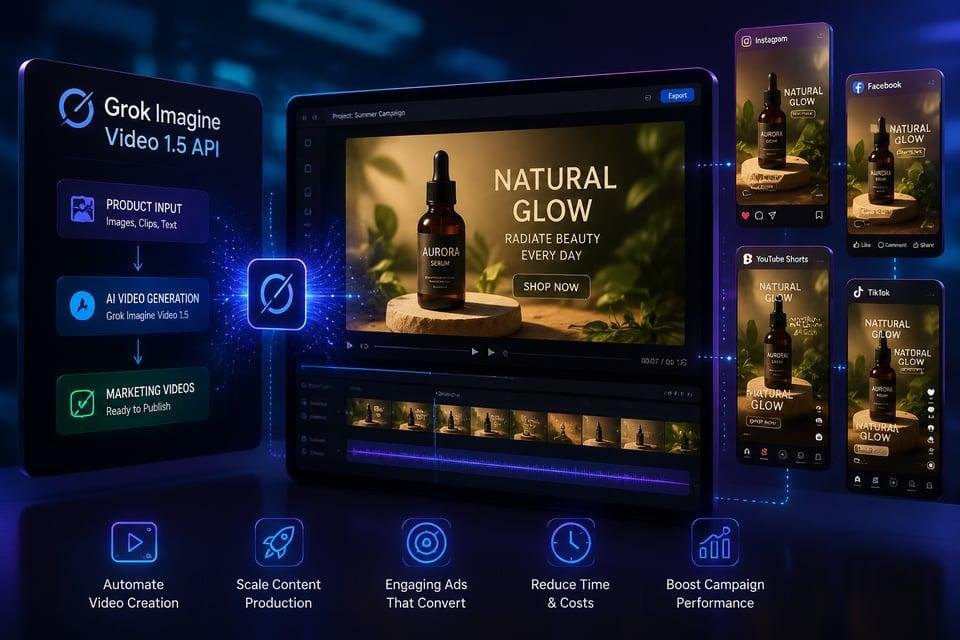
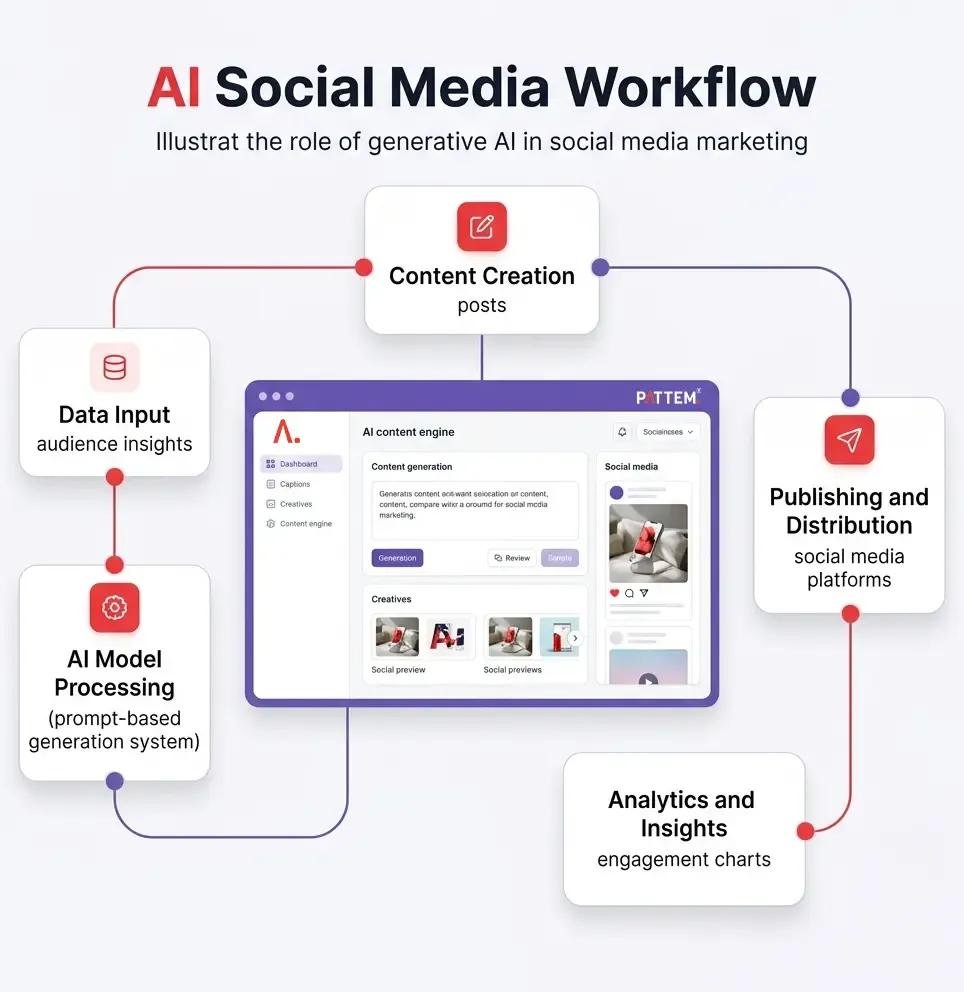
AI Video Generation Is Changing Short-Form Content.
If images are changing social media design, AI-generated video is having an even bigger impact on short-form content.
Reels, TikTok videos, YouTube Shorts, and other vertical video formats have created an enormous demand for fresh video content. Keeping up with that demand can be exhausting, particularly for small teams.
AI video generation can help with different stages of production.
A creator might start with a script, generate supporting visuals, animate a still image, create an opening scene, or produce several variations of a short clip.
For example, a travel company could take one destination idea and turn it into several short videos: a cinematic introduction, a quick itinerary, a hotel promotion, and a short educational clip about the destination.
The important thing is that AI doesn’t have to create the entire video from beginning to end. Sometimes its most useful role is simply helping with the parts that normally take the most time.
The Human Touch Still Matters.
There is a common assumption that AI will eventually make content creation completely automatic.
In practice, things aren’t quite that simple.
Anyone who has experimented with AI-generated images or videos knows that the first result isn’t always the result you want. Hands can look strange. Text can be incorrect. Objects may change between frames. A person’s appearance can become inconsistent from one scene to another.
And even when everything looks technically correct, the content can still feel… empty.
That’s because good social media content isn’t just about looking impressive. It needs an idea behind it.
A human understands the brand, the audience, the joke, the cultural context, and the reason someone should care about the post.
That’s why the best AI-generated social media content usually involves a combination of AI and human editing.
Creating More Content Without Losing Your Brand.
Another interesting use of AI is content repurposing.
A single idea can become several pieces of social media content.
For example, a company might publish a detailed blog post and then turn it into:
- An Instagram carousel
- A short video
- A LinkedIn post
- Several social media graphics
- A YouTube Short
- A series of Stories
AI can help adapt the original idea into different formats while keeping the central message consistent.
This is especially useful for small businesses and creators who don’t have a large content team.
However, there is a difference between creating more content and creating better content. Publishing ten average AI-generated posts isn’t necessarily more valuable than publishing two thoughtful pieces that people actually remember.
What About Authenticity?
This is probably one of the biggest questions surrounding AI-generated content.
People are becoming better at recognizing content that feels artificial. If every image looks overly polished and every video follows the same AI-generated aesthetic, audiences can quickly become bored.
Brands therefore need to think carefully about where AI fits into their identity.
Use it to explore ideas. Use it to speed up production. Use it to handle repetitive tasks.
But don’t let every piece of content lose the personality that made people follow the brand in the first place.
Platforms and audiences are also paying increasing attention to synthetic and altered media. For example, Meta’s AI labeling informationhttps://transparency.meta.com/governance/tracking-impact/labeling-ai-content/ explains how Meta approaches labels for certain AI-generated content
What the Future Looks Like.
AI image and video generation is still developing rapidly. The tools available today are considerably more capable than those many creators were using only a few years ago, and the technology is likely to become easier to control and integrate into everyday creative workflows.
The biggest change may not be that AI creates everything for us.
It may be that the distance between having an idea and actually creating it becomes much smaller.
A small business owner can test an advertising concept without a large production budget. A creator can visualize an idea before investing in a full shoot. A marketing team can explore dozens of creative directions before settling on one.
That is where AI for social media marketing becomes genuinely interesting.
Final Thoughts
AI image and video generation is changing social media content creation, but it isn’t replacing creativity.
If anything, it makes creativity more accessible.
The people who get the most from these tools won’t necessarily be the ones who generate the most images or videos. They’ll be the ones who know what they want to say, understand their audience, and use AI to bring those ideas to life faster.
The technology can create the visual.
The idea still has to come from somewhere.
check out for more interesting factsNewsletter